
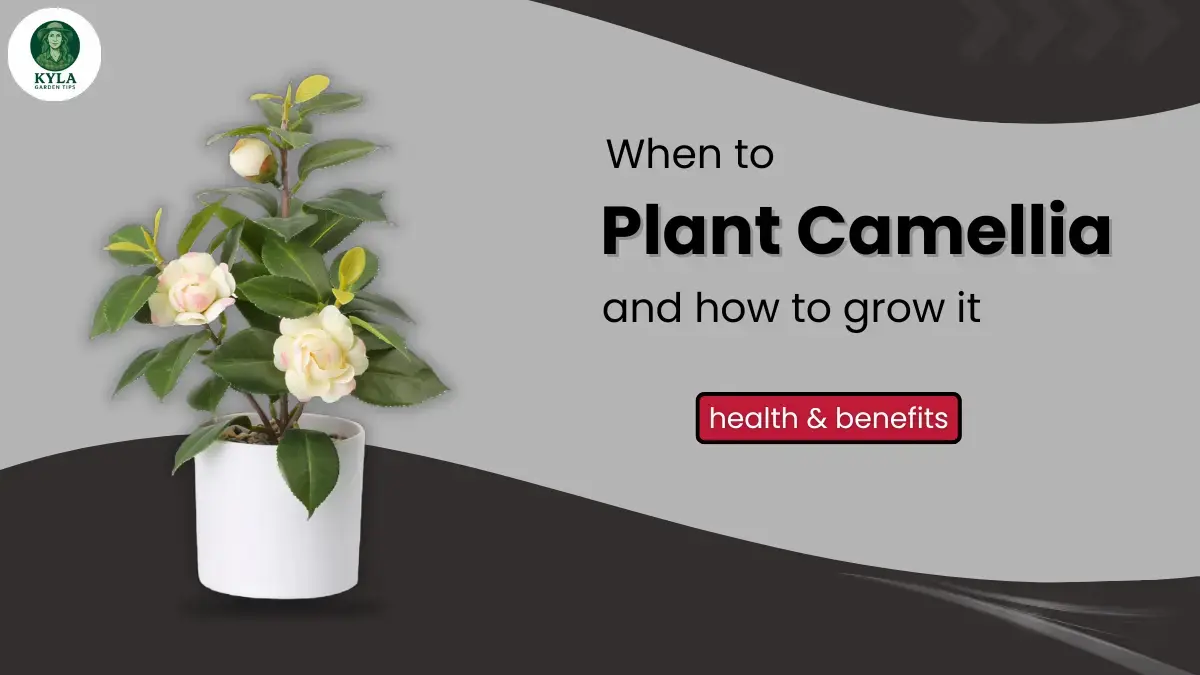
Our ongoing mission is to share the wonderful, garden-ready plants of Asia, and camellias remain at the heart of our greatest love.
This genus offers an incredible range of choices: flowers can be small and simple or large and detailed, while plant habits can be low and wide or tall and upright. When it comes to shades, nothing seems more flexible; camellias range from pure white to shimmering pink to deep, rich burgundy-red. We carry hundreds of cultivars to showcase the vast diversity of camellias, including rare finds, heirloom favorites, and the latest releases. The few types you might see at Lowe’s or Home Depot can’t compare to a visit to our nursery during any blooming season—the flower show will truly take your breath away!
Through our research and breeding efforts, we continue to create new cultivars that bring out the strongest qualities from the many camellia species and varieties.
Planting Camellias for the First Time
When choosing camellias for your garden, check their flowering season and decide where you want to place them. Bloom times vary by region. For example, Camellia sasanqua typically blooms from mid-fall to early winter, while Japanese camellias start blooming in mid- to late winter.
If you’re planning to grow camellias for the first time, follow these six helpful tips we suggest:
1. Zone: Most cold-tolerant camellias grow well in zones 7-10. However, some species, such as the Monrovia Ice Angels® Collection, can survive in zone 6.
2. Soil: Camellias prefer slightly acidic soil with a pH between 5.5 and 6.5, so planting them directly in garden soil during their first year is not ideal. Alkaline soil can harm the plant and often causes the leaves to turn yellow.
3. Light: Camellias generally grow stronger and produce more flowers in partial shade, especially when protected from intense afternoon sunlight. They still need enough light to stay healthy and form buds, but shade helps protect the flowers from harsh afternoon sunlight that can fade the petals and dry out the buds. As the plants mature, their leafy canopy shades the roots, allowing them to tolerate more sunlight. During the winter, this natural cover also helps reduce cold damage in zones 6 and 7.
Planting time depends on your zone. In zones 8-10, gardeners can plant in fall, winter, or spring. In zones 6 and 7, spring planting works best so the roots can develop well before the cold weather sets in.
To plant, dig a hole that is twice as wide as the root ball and the same depth. Fill the bottom with two to three inches of soil and firm it up. Remove the plant from its pot and place it in the center. Keep the top of the root ball 2-4 inches above ground level. Camellias struggle if planted too deep and will respond more strongly than many other plants.
4. Watering: In natural conditions, camellias receive very little water during the winter. Like most broadleaf plants, they need to be watered mainly when newly planted or during periods of severe drought. New leaves and shoots need enough water and nutrients from the soil, otherwise the buds may drop and fewer flowers may appear. Most buds develop on the current season’s growth in mid-summer.
Mature plants (over three years old, healthy, and providing shade to their own roots) can survive with very little additional water. When you water, make sure the soil drains well, as camellias cannot tolerate stagnant moisture.
5. Fertilizer: Feed camellias in the spring after flowering is complete. Do not over-fertilize, as too much nitrogen can burn the leaves and cause them to drop. Always follow label instructions. We recommend using Azalea, Camellia and Gardenia Planting Mix by E.B. Stone Organics. This mix is suitable for evergreens, ferns, rhododendrons, begonias and other acid-loving plants. It also works well if you amend the soil or grow camellias in containers.
If growth appears slow or the leaves lose their dark green color, apply fertilizer again in mid-summer. Stop fertilizing after August as the plant begins to rest and new growth does not harden off before cold weather.
6. Pruning: Prune camellias after blooming to keep the plant healthy. Cut off dead or weak branches so that the flowers can open fully. As the plant ages, the lower leaves may turn brown and rot, which can invite diseases like leaf spot.
Help the plant focus its energy by pruning off lower growth; remove about an inch of leaf stalks attached to the trunk. Thinning the branches also reduces hiding places for insects and makes spraying easier. Wear thick gloves and long sleeves when pruning because the leaf stalks have sharp thorns.
Understanding the Different Types of Camellias
Morela Camellias have captivated gardeners for hundreds of years, captivating plant lovers with their bright flowers and rich green leaves. These evergreen shrubs or small trees are native to East Asia and are distinguished by their beautiful flowers and glossy foliage. The Camellia family includes more than 300 species, the most beloved of which are Camellia japonica, Camellia sasanqua, and Camellia sinensis. Camellias are prized for their long-lasting flowers, which appear in many colors, including white, pink, red, and yellow. People often associate these plants with grace and class, making them a popular choice in gardens around the world.
How to Grow Camellias in a Pot
Yes, you can grow camellias in a pot – and they do really well. Camellias grown in pots work beautifully on patios and decks. You can also plant camellias in pots to brighten up an entryway or create a welcoming focal point. If you’re planning to grow camellias in a pot, follow these helpful tips:
- As always, choose the right type and size of camellia. Choose one that suits the area where you’re going to put them. Pots take up less space, so you should choose a compact or dwarf variety.
- Because sasanquas generally stay small and handle heat and sunlight better than japonicas, sasanquas or heat-tolerant hybrids will give you the best results. Chansonnet’s Blush makes a great dwarf option to try.
5 Tips for Planting Camellias in a Pot:
- Place a few inches of gravel in the bottom of the pot to allow water to drain easily
- Prune the roots back to encourage wide, bushy growth
- Use a potting mix that is moist but not soggy
- If possible, place your camellias in a location where they can stay in one place. Containers allow for easy movement, however, camellias don’t like to be moved frequently and often drop buds when you move them
- Pot soil dries out faster than garden soil, so be sure to water and fertilize regularly.
Common Camellia Pests and Diseases
Camellias can face a few problems, but with proper care, you can keep them strong and healthy:
- T-scale: Small spots on the underside of leaves that lead to yellow spots. Control with horticultural oil.
- Petal scab: Turns flowers brown and causes them to drop prematurely. Cut off infected flowers and refresh the mulch.
- Leaf gall: Leaves swell and change leaf shape. Cut off and discard affected leaves.
- Dieback and canker: The most damaging problems. Cut off infected branches and use a copper fungicide if necessary.
Frequent plant inspections and taking prompt action will help your camellia grow well and stay beautiful.
Health Benefits of Camellia Cultivation
In addition to skin-related benefits, oil extracted from the tea seeds of the Camellia sinensis plant serves as a common natural option for people suffering from high blood pressure; Organic Facts.net states that the potassium found in camellia supports blood pressure balance. The healthy monounsaturated fats in this oil help control high blood pressure and reduce the chances of heart attack and stroke.
Because oolong tea and black tea come from the leaves, buds, and stems of the Camellia sinensis plant, people also associate these teas with reducing the risk of high blood pressure. However, people who are already taking medications for high blood pressure should be careful when using this oil, as it can lower blood pressure too much.
Camellia oil also contains several important minerals (such as calcium, phosphorus, and potassium) that support strong bone density and slow the early signs of osteoporosis. It may also reduce osteoarthritis problems such as limited movement and decreased joint function.
Conclusion
Camellias are beautiful, versatile plants that thrive in gardens and pots when given the right soil, light, and care. With proper planting and simple maintenance, they reward you with stunning blooms and long-lasting greenery year after year.
Read More: Christmas Cactus Plants: How to Grow and Care Complete Guide in 2026
