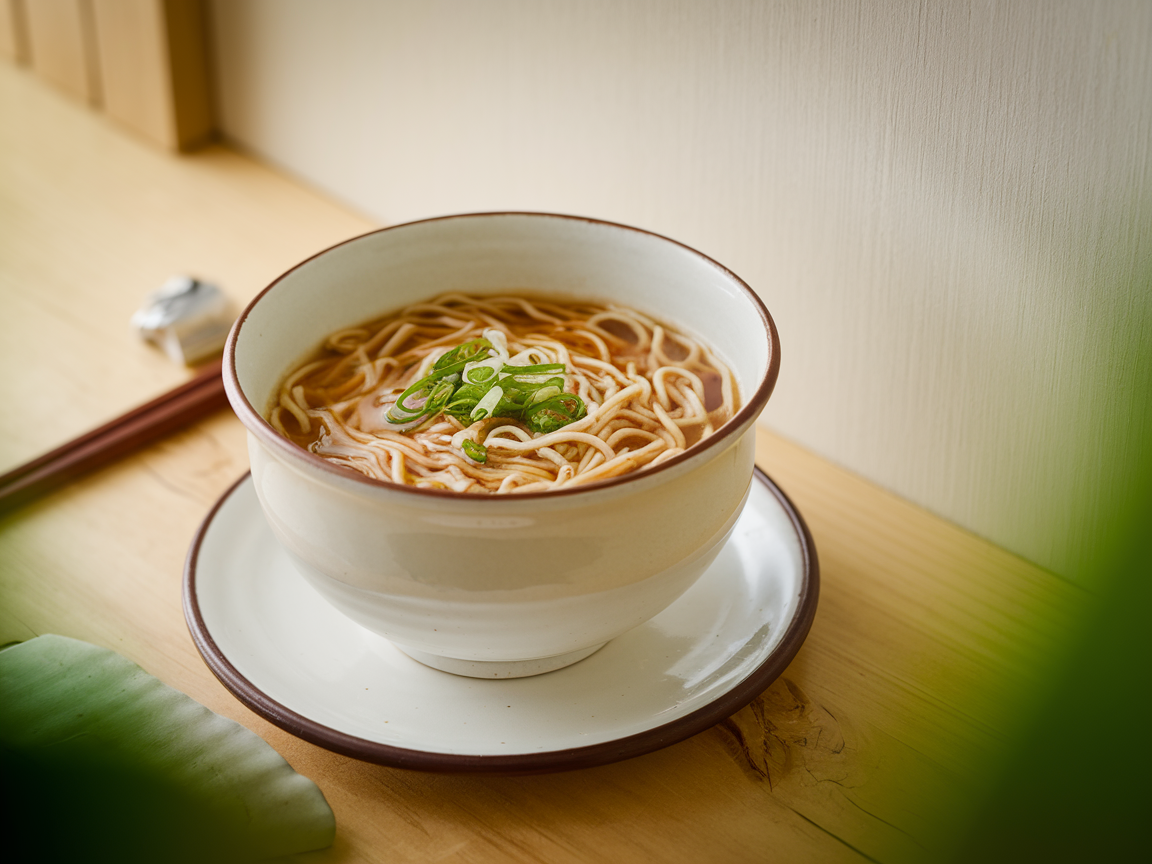
Imagine a warm, comforting bowl of miso soup filled with delicate thin noodles, the savory aroma of miso paste wafting up to greet you, and the sound of gentle simmering that seems to whisper relaxation. This beloved Japanese staple is a masterclass in balance and simplicity, with the rich, slightly sweet flavor of miso paste melding perfectly with the light, airy texture of thin noodles. As you take your first sip, the initial sweetness gives way to a deep, satisfying umami that will leave you craving another spoonful. Whether you’re in need of a soothing pick-me-up or a flavorful start to a meal, this miso soup with thin noodles is sure to become a new favorite.
Ingredients
- 2 tablespoons miso paste, preferably white or light yellow miso for a more delicate flavor
- 4 cups dashi broth, made with 2 cups water and 2 cups kombu and katsuobushi for an authentic Japanese flavor
- 1 tablespoon grated fresh ginger, for its spicy warmth and digestive benefits
- 2 cloves garlic, thinly sliced, to add a depth of flavor without overpowering the miso
- 1/4 cup sliced green onions, for a pop of color and freshness
- 1/2 cup thin noodles, preferably soba or rice noodles for their delicate texture
- 2 teaspoons soy sauce, to enhance the umami flavor of the miso
- 1 teaspoon sesame oil, for its distinct nutty flavor and aroma
- 1/4 teaspoon red pepper flakes, optional, for a touch of heat
- Salt and pepper, to taste, to balance the flavors
- 2 tablespoons chopped scallions, for garnish, to add a fresh, oniony flavor
Step-by-Step Instructions
- Step 1: Begin by making the dashi broth, the foundation of a great miso soup, by combining 2 cups water with 2 cups kombu and katsuobushi in a medium saucepan. As the mixture heats up, the aroma of seaweed and dried fish will fill your kitchen, transporting you to the coast of Japan. Bring the mixture to a boil, then reduce the heat to a simmer and let it cook for at least 10 minutes, or until the broth has reduced slightly and the flavors have melded together. Strain the broth through a fine-mesh sieve into a large bowl, discarding the solids. This step is crucial, as it allows the flavors to mature and deepen, resulting in a rich, satisfying broth.
- Step 2: In a small bowl, whisk together the miso paste and 2 tablespoons of the hot dashi broth until smooth, taking care not to whisk too vigorously, which can create air pockets and affect the texture of the soup. This step is important, as it helps to dissolve the miso evenly and prevents lumps from forming. The mixture should be creamy and free of lumps, with a deep, earthy aroma that hints at the richness to come.
- Step 3: In a large saucepan, combine the grated ginger, sliced garlic, and 2 cups of the dashi broth. Bring the mixture to a simmer over medium heat, watching as the ginger and garlic start to soften and release their flavors, filling the air with a warm, spicy aroma. Let it cook for 5-7 minutes, or until the flavors have melded together and the mixture has reduced slightly. This step allows the ginger and garlic to infuse the broth with their unique flavors and textures, adding depth and complexity to the soup.
- Step 4: Add the thin noodles to the saucepan and cook according to the package instructions, usually 3-5 minutes, or until they are tender but still retain a hint of firmness. The noodles should be slightly firm in the center, with a delicate texture that complements the rich, savory broth. Drain the noodles and set them aside, taking care not to overcook them, which can result in a mushy, unappetizing texture.
- Step 5: To assemble the soup, combine the cooked noodles, miso paste mixture, and remaining dashi broth in a large saucepan. Bring the mixture to a simmer over medium heat, watching as the flavors meld together and the soup starts to thicken, filling the air with a rich, savory aroma. Let it cook for 5-7 minutes, or until the soup has reached your desired consistency. This step is crucial, as it allows the flavors to mature and deepen, resulting in a rich, satisfying soup.
- Step 6: Stir in the soy sauce, sesame oil, and red pepper flakes, if using, taking care not to over-season the soup, which can result in a salty, overwhelming flavor. Taste and adjust the seasoning as needed, adding salt, pepper, or additional miso paste to achieve a balanced, savory flavor. The soup should be rich and savory, with a deep, satisfying umami that complements the delicate texture of the noodles.
Serving Suggestions
Serve the miso soup with thin noodles in small, delicate bowls, garnished with chopped scallions and a sprinkle of grated ginger for added flavor and texture. For a more substantial meal, pair the soup with steamed edamame, grilled chicken or tofu, and a side of pickled ginger for a refreshing contrast. To set the perfect mood, dim the lights, light some candles, and play some soothing Japanese music in the background, allowing the warm, comforting aroma of the soup to fill the air and transport you to a peaceful, serene world.
Chef Tips:
When making the dashi broth, be sure to use high-quality kombu and katsuobushi for an authentic Japanese flavor
For an extra-rich miso soup, add 1-2 tablespoons of sake or mirin to the broth for added depth and complexity
To make the soup ahead of time, prepare the dashi broth and miso paste mixture separately, then assemble the soup just before serving, taking care to reheat the broth gently to prevent scorching or burning
Prep: | Cook: | Servings: 8