
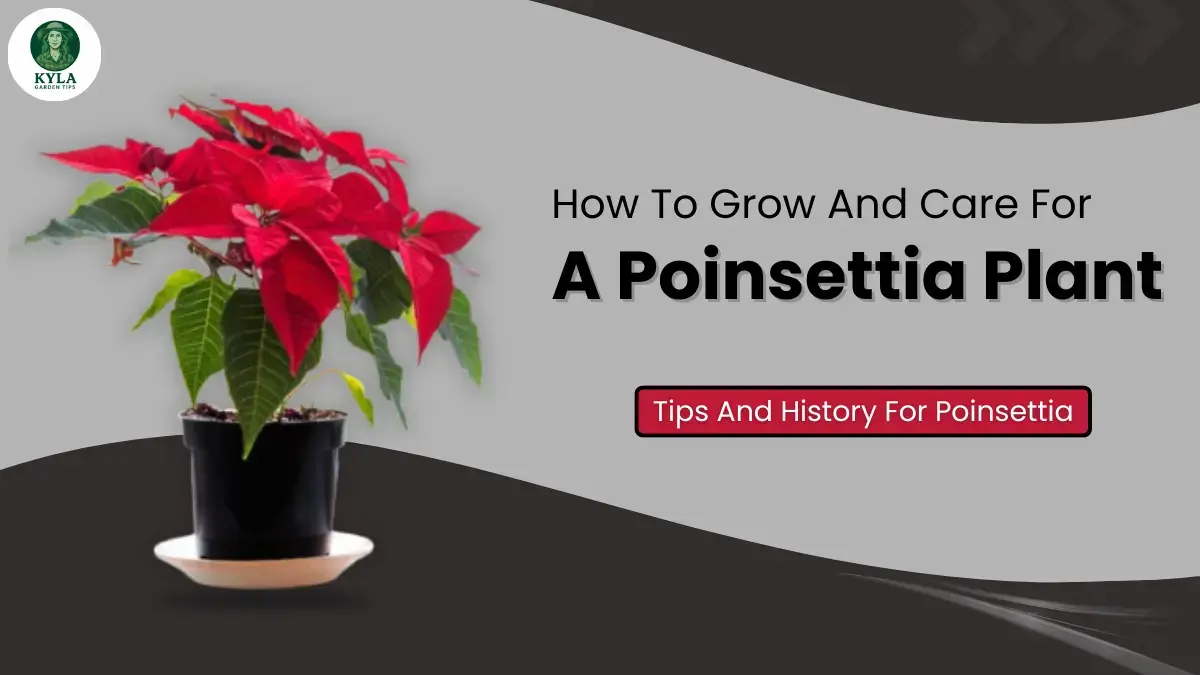
As the holiday season approaches, homes and workplaces are filled with decorations that reflect the holiday cheer. Of all the seasonal plants, poinsettias are a classic and much-loved choice. Interestingly, they rank as the best-selling potted plant in the United States—a big accomplishment since they shine primarily for a short time of year. When you give them the right care and a little attention, their rich colors will stay fresh all season long—or even beyond. Here’s all the essential information you need to help your poinsettia stay healthy and beautiful.
Proper Poinsettia Care as a Perennial
To keep your poinsettia healthy and full of color, start by removing the decorative foil around the pot. This simple step helps prevent excess moisture from building up at the roots.
“These plants really dislike soggy roots,” plant expert Abby MacFarland explains. “They also need warmth to survive. Cold and damp conditions can quickly damage your holiday plant.”
She also suggests placing your poinsettia in bright light, keeping temperatures between 65 and 70°F, and watering only after the soil dries out.
Whether you want to grow poinsettias indoors or outdoors, these plants require proper care and the right environment to grow well:
Lighting. Poinsettias perform best in bright, indirect sunlight. Outdoor plants need about four to six hours of sunlight each day. Indoor plants grow well under a grow light or near an east-, west-, or south-facing window.
Temperature. Indoor poinsettias prefer steady temperatures around 65 to 70°F. Outdoor plants begin to decline when temperatures drop below 50°F. Many indoor poinsettias benefit from spending summer outdoors, but you should move them back inside before autumn arrives.
Watering. Poinsettias quickly droop in dry soil, yet too much water can rot their roots. Check the soil often and water only when the top layer feels dry to the touch.
Fertilizing. Outdoor poinsettias need minimal feeding if you add compost once a year in spring. Feed indoor plants monthly with a diluted liquid organic fertilizer from late spring until early fall.
Repotting or transplanting. Repot indoor poinsettias promptly if they sit in containers with poor drainage. Transplant outdoor poinsettias only when temperatures remain above 50°F. Use nutrient-rich potting soil and mix compost into garden beds before planting for the best growth.
Continue Reading: Christmas Cactus Plants: How to Grow and Care Complete Guide in 2026
How to Make Poinsettias Bloom
Poinsettias are known as long-day plants, meaning they only start blooming after 8-10 hours of daylight. In nature, they typically bloom after experiencing winter-like conditions. To get them to bloom for Christmas, you need to create an artificial winter environment. By adjusting their light exposure, you can encourage spring-style blooms during the holiday season. This method is called short-day treatment.
Timing
To start blooming, give them only 8 to 9 hours of bright light per day for six to eight weeks, starting in late September. Keep the plants in complete darkness for the remaining 15 to 16 hours by placing them in a closet, covering them with a box, or using another dark place. This routine helps the plants develop the colorful bracts that make poinsettias popular during Christmas.
Caring for Your Poinsettia While Promoting Blooms
During the short-day treatment, continue to water the plant whenever the soil feels dry, but do not fertilize. Maintain a strict light-dark schedule because even small interruptions during the dark period can prevent bud development. Consistency plays a key role in successful blooming.
Ending the short-day treatment
When the bracts begin to show color or darken, you can stop the short-day routine. After this stage, the plant naturally increases its color and completes the flowering cycle, which is perfect for the holiday season.
Tips for Poinsettia Care After the Holidays
Proper care after the holidays will help your poinsettia stay healthy all year round and bloom again next season. Follow these steps to maintain your plant during the dormant phase:
Rest Period:
When the leaves begin to lose color, let the plant rest. Cut it back and move it to a cool, dry, and slightly shaded location. Reduce watering during this stage to help the plant regain its vigor.
Spring Care:
Once you see fresh growth, move the plant to a bright or sunny location. Begin watering regularly and apply a general houseplant fertilizer as directed. Some growers prefer to keep their poinsettias colorful throughout the winter and spring, so provide consistent humidity and bright light if you choose this approach.
Summer Care:
During the summer, place the plant outside where it will get morning sunlight or filtered light. Water and fertilize regularly. To encourage full growth, prune the stems a few times during the summer, stopping by mid-August.
Bringing Your Flowers Back:
Resume the short-day treatment in late September. Continue this light and dark cycle for six to eight weeks to encourage flowering once again.
History of the Poinsettia
Christmas Poinsettia: The poinsettia is a favorite houseplant during Christmas. People associate it with the holiday season because it blooms naturally at this time in its native land. During the 1600s, Franciscan priests used the flowers during nativity processions called the Fiesta de Santa Pesebre. Mexican communities viewed the poinsettia as a symbol of the Star of Bethlehem. A popular Mexican legend tells the story of a poor young woman who did not have the money to bring flowers to her church for a nativity scene. An angel guided her to pick a simple weed and place it on the altar, where it magically transformed into a magnificent red poinsettia.
In the mid-1920s, Joel Roberts, the United States ambassador to Mexico, sent poinsettia plants back to his homeland. He grew them in his greenhouse and shared them with botanical gardens. Over time, people began to use their name to refer to this attractive plant. Every year around Christmas, poinsettias appear as delicate plants with small, short-lived flowers. Their popularity really took off in the 1960s when plant breeders made the plants stronger and extended their flowering season.
Today, poinsettias remain the most popular plant during Christmas and rank as the top flowering potted plant in the United States, even though they are only available for six weeks each year. Growers across the country sell more than 65 million poinsettias annually. Botanically known as Euphorbia pulcherrima, poinsettias are not as poisonous as many people once believed, although their sap can cause mild allergic reactions in some people.
Recommended to Read: How To Plant And How To Care For Pansies (2026 Guide)
Conclusion
Poinsettias are more than just festive decorations – they are living plants that can bloom year after year with the right care. By providing the right balance of light, warmth, water and seasonal attention, you can enjoy their vibrant colors long after the holidays. Understanding their growth cycle, especially the importance of light control for blooming, allows you to encourage beautiful red bracts every Christmas. With patience and consistency, poinsettias can become a long-lasting symbol of holiday cheer and a fruitful perennial addition to your home or workplace.
