
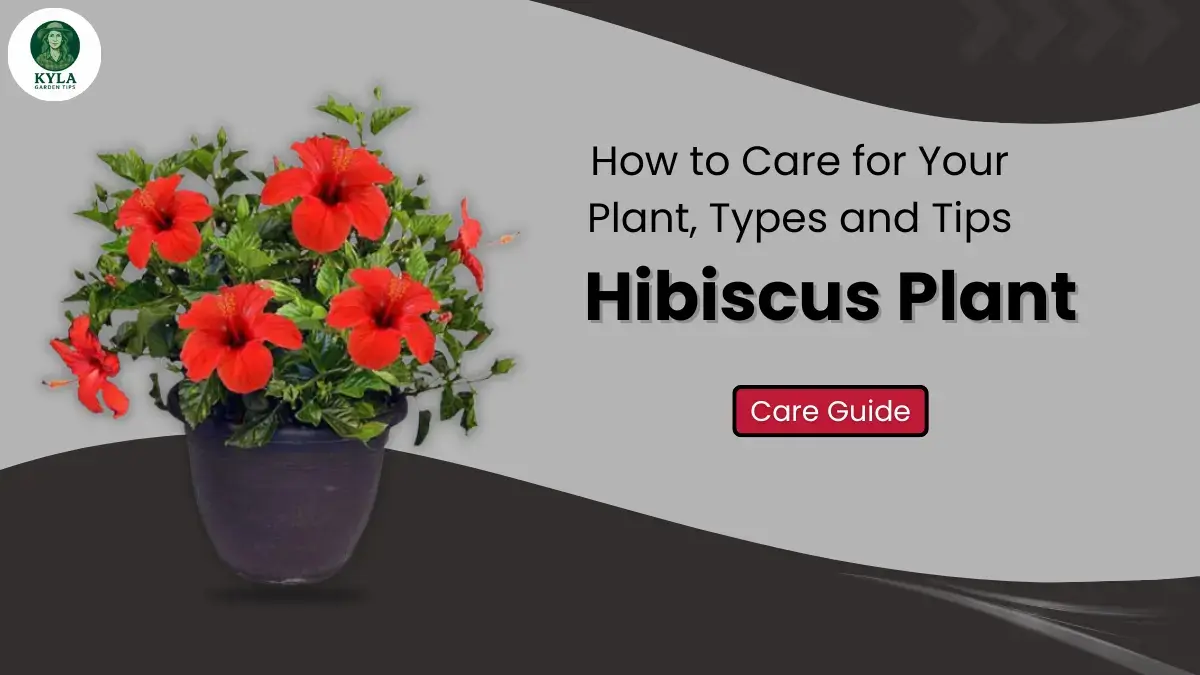
Hibiscus adds a bold, whimsical touch and vibrant color to any garden space. Its large, beautiful flowers and glossy green leaves make it a great choice for gardeners looking for an instant visual impact. This plant is a member of the mallow family (Malvaceae) and includes more than 30 species native to North America. There are both woody shrubs and soft, herbaceous varieties. Many popular hibiscus types thrive in tropical regions. However, you can grow many hardy species in cooler parts of the U.S., even down to zone 4. No matter where you live, you can choose a hibiscus variety that brings a robust, tropical look to your garden.
This complete hibiscus growing guide explains everything you need to know about growing and maintaining healthy hibiscus plants. It also shares tips for fertilizing, watering, and growing hibiscus in containers and indoors.
Types of Hibiscus
Tropical Hibiscus
Tropical hibiscus has bright, glossy flowers in red, pink, yellow, and orange. It grows well in warm climates and needs plenty of sunlight.
Louisiana Native Hibiscus
This hibiscus is native to Louisiana and produces very large, colorful flowers. It grows best in moist soil and can tolerate hot, humid weather.
Rose of Sharon
The Rose of Sharon is a hardy flowering shrub with bell-shaped flowers. It blooms in the summer and is easy to grow in a variety of soil types.
Read Next: Fiddle Leaf Fig Trees Smart Care Tips: The Ultimate Guide for 2026
Cajun Hibiscus
The Cajun Hibiscus is known for its bold colors and patterned petals. It is a tropical variety that requires warmth and regular care.
Hardy Hibiscus
Hardy hibiscus produces large flowers and survives cold winters. It comes back every year and grows well in gardens with full sunlight.
Planting Hibiscus in a Pot
Spring is the best time to plant a pot. Start only after all danger of frost has passed in your area. Use the following steps to plant a pot in a pot.
- Add about 1 to 2 inches of potting mix to the base of the pot.
- Remove the pot from the potting container and loosen it a bit if the roots appear crowded.
- Place the plant in the pot so that the top of the root ball is 1 to 2 inches below the rim of the pot.
- Fill the pot with soil around the root ball and press it gently to remove any trapped air.
- Continue adding soil until it reaches the base of the stem.
- Water the plant thoroughly until excess water drains from the holes in the bottom of the pot.
Caring for Hibiscus in a Pot
Caring for hibiscus in a container is a little different than growing it in a garden bed. Use the following tips to keep your hibiscus in a pot healthy, green, and full of flowers.
Choosing a Container
When you grow hibiscus in a pot, the roots will have a comfortable place to settle. Choose a container that is about 1 to 2 inches wider and deeper than the plant’s root ball. Choose a sturdy container made of plastic, clay, ceramic, stone, cement, or a composite material. Lightweight containers are easy to lift and move if necessary. Always choose a container with ample drainage holes in the base, as this prevents excess water from accumulating and prevents root rot.
Sunlight
You can place the pot in light afternoon shade, but all potted varieties grow best in full sunlight. These plants can tolerate full sun even in hot climates, as long as you water them consistently. Keep in mind that hibiscus plants grown in containers in very hot climates may show stress on the roots, not from too much sunlight, but from too much heat. In such cases, a watering problem or heat trapped in the pot is usually the cause. To improve the care of hibiscus plants in containers, provide light shade in the afternoon or use a large, well-insulated container to keep the roots cool. Keep the soil moist at all times. If you place the containers near walls, fences, or other shady structures, rotate them every one to two weeks so that all sides receive equal light and grow evenly.
Soil
Hibiscus plants grown in containers need light, well-draining soil to stay healthy. Garden soil is too dense for containers and restricts water flow and nutrient absorption. It can also carry diseases that can harm the plant. For tropical hibiscus in pots, use a high-quality soilless potting mix or container soil. Look for mixes that contain peat moss, coco coir, perlite, or vermiculite, as these ingredients improve drainage and keep the soil aerated.
Proven Winners® Premium Potting Soil provides an excellent blend of essential nutrients that support strong growth and abundant flowering in hibiscus plants.
Fertilizer
Tropical hibiscus grow best with a fertilizer rich in potassium, but require very little phosphorus. Too much phosphorus locks up nutrients in the soil and slows healthy growth. Avoid flower-enhancing fertilizers, as they often contain formulas that are unsuitable for exotic hibiscus. A medium nitrogen level works best. The ideal fertilizer ratio is 17 nitrogen – 5 phosphorus – 24 potassium. Many fertilizers available on the market are specifically formulated for container-grown tropical hibiscus and work well. If you use Proven Winners fertilizer, choose a slow-release option, as it is perfectly suited for this plant. Always water the soil before feeding hibiscus in a pot so that the nitrogen does not damage the roots. Following these steps will support continued flowering and long-term plant health.
Watering
Container-grown plants generally require more frequent watering than plants planted in the ground. Avoid letting the soil dry out completely. Check the moisture level using a water meter or by inserting your finger at least 3 inches into the soil. Water the plant until excess moisture drains from the bottom of the pot. If the soil is very dry, water twice, allowing short breaks between each watering so that the soil absorbs moisture evenly. Proper watering plays a key role in the successful care of hibiscus in a container.
Tropical hibiscus doesn’t always like dry soil. This sun-loving, fast-growing plant thrives with daily watering and rewards you with continuous, vibrant blooms.
How to Grow Tropical Hibiscus Indoors
If you live in an area with cold winters, move your tropical hibiscus indoors to protect it from the cold. You can also keep hibiscus as a full-time indoor plant, although it performs best when it spends the warmer months outdoors. Hibiscus makes a wonderful houseplant. It lifts your mood during the winter and gives your home a refreshing, tropical, spa-like atmosphere.
Here are some important tips for growing tropical hibiscus indoors:
Indoor transition: Move hibiscus indoors when nighttime temperatures drop below 50°F (usually between mid-September and November, depending on your region)
Climate: Before bringing the plant indoors, acclimate it to low light for 2-3 weeks by moving it to shaded areas every few days
Pest check: Check the plant carefully for pests in late summer before moving it indoors
Indoor placement: Place the plant near south- or west-facing windows for strong light; add grow lights if natural light is limited
Winter care: Reduce watering during winter and allow the soil to dry slightly between waterings; check the plant regularly for pests
Fertilization: Do not fertilize in winter; If you grow hibiscus indoors year-round, feed monthly at half strength during spring and summer
Pruning: Prune in late winter to encourage new growth and create a full, bushy shape
Returning outdoors: Gradually reintroduce the plant to outdoor conditions over 2-3 weeks in late spring
Common Hibiscus Problems
Hibiscus generally require minimal care, but problems can occasionally appear. Some common problems include:
Yellowing leaves: Sudden changes in light or watering often cause this problem, or the plant may need fertilizer or a larger pot
Bud drop: Excessive heat or cold can cause bud drop; hibiscus grows best in temperatures between 65-85°F
Pest problems: Inspect the plant frequently and control pests using insecticidal soap or rubbing alcohol
Also Read: Palm Plant and Tree Care Guide: Types, Problems Everything You Need to Know
Conclusion
Hibiscus is an easy-to-grow plant that adds bold color and a tropical look to gardens, patios, and indoor spaces. With the right amount of sunlight, well-draining soil, regular watering, and simple care, it produces healthy growth and beautiful flowers year after year.
