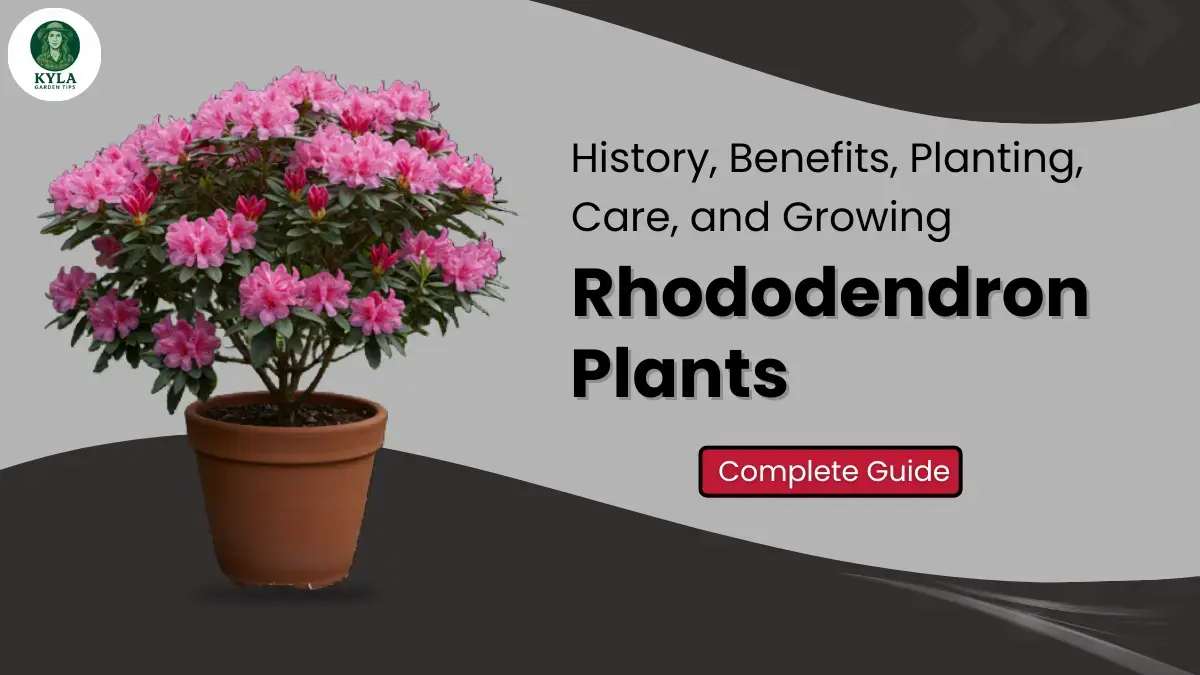
If you’re looking for a beautiful entryway or statement shrub, native rhododendrons are a great choice. These magnificent evergreen beauties grow 4-20 feet tall (depending on the species) and have glossy leaves that bloom all season long. In spring, small clusters of five-petaled flowers open and attract early pollinators. They like partial sun to shade, and are happy with moderate rainfall after the first year. Plant a few over the weekend and they can last for decades. Scroll down to see which rhododendrons are native.
History of Rhododendrons
In the sixteenth century, Clusius described Rhododendron hirsutum, and earlier authors referred to the plant as Chamaerodendron. However, in 1753, Linnaeus formally named the genus and listed five species under Rhododendron, while he left Azaleas separate because they had fewer stamens.
As more species were discovered, botanists created other genera such as Rhodora and Wyra, but later scientists questioned this division. In 1836, he merged Azaleas with Rhododendron and divided the genus into sections, some of which are still in use today. Modern DNA research has since replaced many of these older groupings.
During the nineteenth century, researchers used characteristics of flower and leaf buds to refine the classification. Cohen later distinguished species by scale presence, and Balfour introduced a series-based system that remained important and later appeared in major reference books by the Davidians.
What are the Benefits of Planting Native Rhododendrons?
Choosing native plants is always a smart move for any garden – and native rhododendrons really shine. Here’s what makes them a great choice:
Naturally resilient: These plants thrive in local climates and soils found in their native areas, so they require little care and effort in your garden.
Great for wildlife: Native rhododendrons provide nectar, cover, and nesting sites for birds, butterflies, and helpful pollinators, turning your garden into a safe haven for them.
Year-round beauty: With glossy evergreen foliage and bright spring flowers, native rhododendrons add charm and vigor to your landscape and grow well in many conditions.
Where to Plant Rhododendrons
Only grow rhododendrons when your soil is neutral to acidic – check the pH using a soil test kit and look around nearby gardens to see if rhododendrons or other acid-loving plants grow well in your area. Then, choose a sheltered spot that gets partial shade or light sunlight. Many rhododendrons grow best at the edge of a forest or in lightly shaded areas. Small alpine types fit perfectly in rock gardens. Compact varieties look good at the front of borders or planted in containers.
How to Plant Rhododendrons
- Plant in spring or early fall.
- Depending on how large the plants will grow, space them 2 to 6 feet apart. Dig a hole that is as deep as the root ball and about twice as wide.
- Position the plant so that the top roots sit at or slightly below ground level. If you plant it too deep, the roots and trunk may start to rot.
- Add soil until the hole is halfway full, then water it well before adding the rest of the soil.
How to Plant Rhododendrons in a Pot
Use a peat-free ericaceous fertilizer when growing rhododendrons in containers. Leave about 15 cm between the rootball and the edge of the pot, which works well. As you plant the shrub in the ground, cover the top of the rootball with fertilizer. Press the fertilizer firmly into the soil and water well, making sure that excess water drains. Feed ericaceous fertilizer regularly during the growing season. Move the plant to a larger pot every two to three years.
Rhododendron Care
- Spread a 2- to 5-inch layer of pine bark mulch or pine needles around the plants each spring to protect shallow roots and help retain moisture in the soil. When plants don’t get enough water, they will produce fewer flower buds. Read more about proper mulching methods.
- Feed azaleas and rhododendrons lightly and only when buds begin to open in early spring, even for fall-blooming varieties. Too much fertilizer can damage and burn the roots.
- Give the plants extra water in the summer when less than 1 inch of rain falls per week.
- After the flowers fade, remove the plants when possible to encourage leafy growth rather than seed production. Allow older rhododendrons to bloom slowly, as next season’s buds sit beneath the faded heads and begin forming shortly after the flowers appear.
- You can move azaleas and rhododendrons at any time during the growing season, but they are best arranged in the fall or early spring when the plants are dormant and the weather remains cool.
How to Prune Rhododendrons
You usually don’t need to prune rhododendrons, but if you need to remove dead or damaged branches, do so in late winter when the plant is dormant. Remove faded flowers after blooming to keep the shrub neat.
How to Propagate Rhododendrons
Grow species rhododendrons from seed, but take cuttings or use layering for cultivars. Take heel cuttings in late summer or early fall. To layer, bend a low branch into the ground and lower it so it can form roots. Late summer gives the best results.
Pests and Troubleshooting
Rhododendrons rarely suffer from insect pests. However, a fungal disease called rhododendron leaf spot can affect the foliage and cause leaf drop.
Rhododendron ponticum appears on the list of invasive species, so avoid planting it in gardens and remove it where possible.
Sometimes rhododendrons fail to produce flowers. Watch our Quick Tips video to learn the causes and simple solutions.
How to grow rhododendrons
Rhododendron ‘Pleasant White’ – A compact, evergreen rhododendron with white flowers. It is suitable for small gardens, semi-shaded borders and container plantings.
Rhododendron ‘Scintillation’ – A large shrub that grows over 2 metres tall. Its pink and apricot flowers are very attractive and brighten up partial shade areas. This hardy variety is suitable for open and northern locations.
Rhododendron ‘Nancy Evans’ – A beautiful, golden-yellow compact plant with bronze young leaves that turn dark green as they mature. It looks attractive in borders and containers.
Rhododendron ‘Vulcan’ – A neat variety with long leaves and dark scarlet flowers, ideal for pots or mixed borders. Grow it in a sheltered, partially shaded location and protect it from cold winter winds.
Rhododendron ‘Oracle’ – A hybrid with purple flowers and deep crimson spots. Hardy and compact, it fits well in mixed borders or container displays. Protect it from strong winter winds.
Rhododendron yakushimanum ‘Kochiro Wada’ – one of the popular compact hybrids with white flowers and dark to green, silvery young leaves. It has been awarded the Award of Garden Merit (AGM) by the Royal Horticultural Society.
Types
‘Blue Diamond’ is a compact evergreen rhododendron that reaches about 3 feet. It blooms in mid-season and has abundant violet-blue flowers. Zones 7 to 9.
‘Cecil’ is a vigorous growing azalea that grows to 7 feet and displays deep salmon-pink buds in mid-season. Zones 5 to 8.
‘Hidden Dawn’ is a short rhododendron that can tolerate full sun. Soft pink flowers open in mid-season. Zones 7 to 9.
‘Nova Zembla’ is an evergreen rhododendron that grows between 5 and 10 feet and displays bright red flowers in late mid-season. Zones 5 to 8.
‘Rosy Lights’ is an azalea that is known for its extra cold tolerance. It grows to about 6 feet and produces deep purple-pink flowers. Zones 3 to 8.
‘Purple Gem’ is a small rhododendron that grows to about 2 feet and blooms early in the season. It has small, pale purple flowers. Works well in the front of borders or in rock gardens. Zones 5 to 8.
Choosing the Perfect Rhododendron for Your Garden
With so many varieties to choose from, these timeless blooms can be hard to find in your yard. Although they require less care than many other flowering plants, you should plant each type in the appropriate climate zone and in the best location.
Some popular options include:
White rhododendron: A pure, soft-looking flower with softly shaped, neat petals.
Red rhododendron: Bright, pinkish-red blooms with tight, cone-shaped flowers and a prominent central growth.
Lavender rhododendron: Light flowers create flowing waves of gentle purple shades.
Yellow rhododendron: Cheerful yellow flowers add warmth to the garden and handle heat well.
Many rhododendron types grow best in zones 6-9, which covers most of the southern United States. Other types grow better in the central to northern regions of the country, mainly in zones 4-8.
The rhododendron family includes over 900 species, so find the best choices based on the area where you live. Also, think about how much space you have for planting – while standard rhododendrons suit larger garden areas, dwarf rhododendrons fit well in smaller spaces.
