
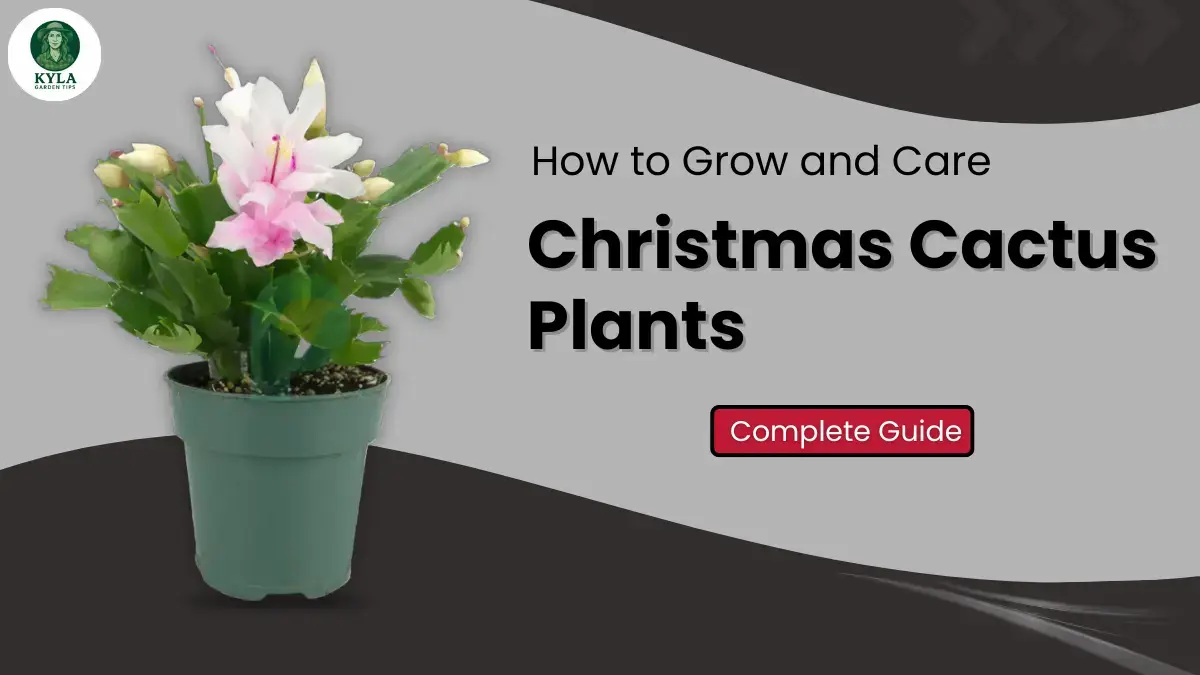
Who doesn’t love a houseplant that blooms in the middle of winter? The Christmas cactus is known as a beloved holiday plant that lights up homes with bright, cheerful blooms during the holiday months. Because this plant requires a little extra care, many new plant lovers often ask how often they should water a Christmas cactus so that it blooms and produces beautiful flowers.
These plants are not true desert cacti and require a more careful watering routine. Both your home’s climate and the time of year affect how often you should water them, so you may need to adjust your schedule to suit your plant’s preferences.
Does watering a Christmas cactus seem confusing at first? No need to worry! This complete watering guide will help you keep your plant healthy so that it rewards you with beautiful flowers every year.
Christmas Cactus Plant Care
Lighting
Light Requirements: Full Sun (bright direct light) and High Light (bright indirect light)
Christmas cactus grows best in bright, indirect light, which you can provide near an east- or west-facing window. Avoid placing the plant in low-light locations or in intense direct sunlight, as this can cause the leaves to turn yellow or brown. To help the plant produce flowers, you should keep it in the dark for about 12-14 hours during the holiday season.
Water
Quick Tip: Let the soil dry completely before watering again.
Indoor Christmas cactus plants need to be watered carefully. Keep the soil slightly moist, not wet, so always check the moisture before adding water. Use room temperature, chlorine-free water as this plant reacts poorly to chemicals. When you water, keep the soil well-soaked until water runs out of the drainage holes, but never let the pot sit in water as this can cause root rot. Allow the soil to dry out slightly between waterings, and always make sure the top inch feels dry first. Do not let the plant dry out, as drying out can damage the stems. During the winter, the plant needs less water as growth slows. You can also mist the plant to increase humidity in the air. Watch how the plant responds and adjust your watering routine based on the season and growth stage.
Temperature
Preferred temperature: 60º – 70º
Christmas cacti, also known as Schlumbergera, grow best in daytime temperatures of 60–70°F (15–21°C) and nighttime temperatures above 50°F (10°C). This plant prefers a moist location and soil that stays moist but not wet. You can increase humidity by misting the leaves, keeping a tray of water nearby, or running a humidifier. Provide bright, indirect light, although the plant can tolerate light direct sunlight. Do not expose the plant to temperatures below 40°F (4°C) as cold can damage the plant, and the name can be misleading about cold tolerance. Avoid sudden temperature changes and cold drafts as these can cause bud drop. Christmas cactus plants bloom around the holidays, so they need constant care, and you are in the right place to provide them with proper support.
Also Read: When to plant camellia and how to grow it: health & benefits
Humidity
Preferred humidity: 40 – 50%; Moderate humidity
Christmas cactus plants grow best in moderate humidity levels between 40% and 50%. Humidity is most important during the active growing and blooming seasons of spring and summer. Dry air can dry out leaves and flowers, while too much moisture can invite fungal problems, so it’s important to maintain a balance. To increase humidity, mist the plant frequently, place a tray of water nearby, or use a humidifier. Avoid spraying water directly on the flowers as moisture can damage the flowers. Along with proper humidity, allow good air movement around the plant to prevent moisture buildup and discourage disease. With balanced humidity and proper care, Christmas cactus plants stay healthy and produce beautiful flowers.
Where to Grow Christmas Cactus
Because this plant comes from warm, tropical forests, Christmas cactus grows best with bright but indirect light and plenty of moisture in the air. A north- or east-facing window works perfectly, but wherever you place your plant, protect it from intense sunlight. When the flat, leaf-like parts start to turn red, it usually means the plant is getting too much light.
You can also put your Christmas cactus outside during the summer as it enjoys humid weather. Just keep it in a shady, safe place, such as under a tree or on a covered porch, and never let the pot sit in water after a heavy rain. Hanging baskets from tree branches can also make a beautiful garden display.
How to Repot Christmas Cactus
Christmas cacti really like tight spaces and often thrive better when their roots are a little crowded. However, when the original container is completely full, follow these steps to safely move the plant:
- Choose a pot that is only 1 to 2 inches wider than the old one and has drainage holes.
- Add Miracle-Gro® Cactus, Palm & Citrus Potting Mix until the new pot is about one-third full, which helps water drain well and provides nutrients sooner.
- Carefully remove the plant from its old container and place it in the new pot. Make sure the top of the root ball remains about 1 inch below the rim for easy watering.
- Water the plant deeply, let the excess water drain, then place it in its permanent location. Always use a saucer under the pot to keep the surface moist.
Tip: Repot in late spring after flowering has finished and new growth has begun.
How to Water a Christmas Cactus
Unlike most succulents, Christmas cactus prefers slightly moist soil. Water the plant whenever the top inch or two of soil feels dry. To increase humidity around the plant, place pebbles in a saucer and pour water under their surface so that the pot sits on top of the water. As the moisture evaporates, it increases the humidity around the plant. For specific watering tips for blooming, continue reading below.
How to Feed a Christmas Cactus
To enjoy delightful holiday blooms, feed your Christmas cactus regularly with Miracle-Gro® Succulent Plant Food starting after blooming and continuing through fall. During this time, the plant stores energy that helps it produce strong buds for the next flowering season.
How to Make a Christmas Cactus Bloom
To encourage blooming, provide six weeks of short days, which means the plant needs 13 to 16 hours of complete darkness with cool temperatures. In early fall, place the plant near a window that gets no direct sunlight and is dark at night. Close the door, turn off the lights, stop feeding, and reduce watering. After six weeks, raise the temperature to about 65°F and let in more light. Once buds appear at the ends of the stems, move the plant to its display spot for holiday enjoyment.
How to Prune and Propagate a Christmas Cactus
With proper care, a Christmas cactus can grow for several years. To keep the plant bushy and compact, prune it after it blooms. About halfway through, cut back only 2 or 3 stems. You can prune the remaining stems next year. If the stems start to break due to size, cut back the extra growth to maintain shape.
Instead of throwing away the cuttings, use them to grow new plants for friends and family. Propagating Christmas cactus is easy:
- Let the cuttings dry for several days so the ends can heal.
- Dip each cutting in rooting hormone and plant them in slightly moist soil in a small container with drainage. You can plant several cuttings in one pot.
- Wait a few weeks, keeping the soil slightly moist.
- Once the roots have developed, begin watering more regularly.
- Once growth is established, move each new plant to its own pot.
How to Deal with Christmas Cactus Problems
These plants are generally easy to grow, but a few problems can appear.
- The flowers fade before they open. Sudden changes in light, drafts in temperature, or uneven watering often cause this problem. Move the plant away from drafts, water regularly, and avoid very rapid changes in light levels.
- The plant turns red. This usually indicates too much sunlight, so move the plant away from windows.
- Black, soft areas appear. This damage is caused by a fungal or bacterial infection. In most cases, remove the plant to prevent the spread.
- The base becomes hard and woody. This natural change indicates that the plant has aged, which means you have taken good care of it for many years. Enjoy this sign of maturity.
Read More: How To Grow And Care For A Poinsettia Plant? Tips And History For Poinsettia
Conclusion
The Christmas cactus is a beautiful holiday plant that will reward you with bright blooms in the winter when you care for it properly. Keep it in bright, indirect light, maintain moderate humidity, and water it only when the top soil feels dry, never let it sit in water. The cooler temperatures and long, dark nights of fall help encourage flowering, while light feeding after blooming supports healthy growth for the next season. With gentle watering, stable temperatures, and a little attention, your Christmas cactus can stay healthy and bloom beautifully year after year.
