
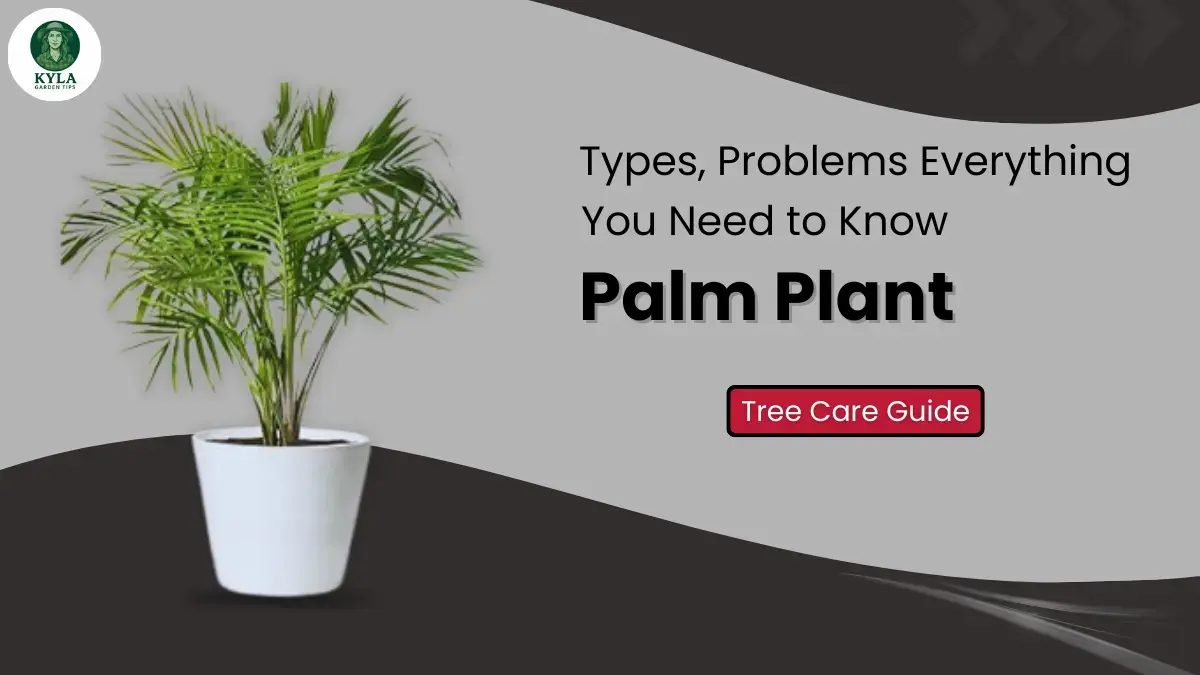
Palms (family Arecaceae) are a plant family comprising about 190 genera and over 2,450 species of monocot flowering plants under the order Arecales. Plants of the palm family play an important ecological role in many tropical environments and support diverse wildlife by providing food and shelter. From an economic perspective, palm trees produce many globally important resources such as coconuts, dates, acai, palm oil and other edible oils, fibers, and construction materials, while also having strong practical and cultural value to communities around the world. The family is the fourth largest monocot family, after Orchidaceae (orchids), Poaceae (grasses), and Cyperaceae (sedges). It also has some of the largest structures among angiosperms, including the largest leaves found in the raffia palm (Raffia), giant flower clusters in the telepot palm (Corypha umbraculifera), and the largest seeds produced by the double coconut (Lodoisia maldivica).
Types of Palm Trees
There are thousands of palm trees, and some are better suited to indoor spaces than others. Some of the most common palm trees grown indoors include:
Chinese Fan Palm: This palm tree has star-shaped leaves and grows slowly. While a mature Chinese Fan Palm can grow up to 15 feet tall, most indoor Chinese Fan Palms come in a compact dwarf form.
Areca Palm: Also known as the Bamboo Palm, the Areca Palm has soft leaves and can handle low-light conditions well.
Parlor Palm: Parlor palms are known as one of the easiest indoor palm trees to maintain. They prefer medium light and require only occasional pruning without special care.
Lady Palm: This palm tree handles low-light environments very well, making it an excellent choice for growing indoors. Indoors, it can reach 6 feet in height and spread to about 4 feet in width.
Majesty Palm: A little more demanding than other palm trees, the Majesty Palm thrives in bright, indirect light and requires consistently moist soil to stay healthy.
Further Reading: Hibiscus Plant Care Guide: How to Care for Your Plant, Types and Tips
Palm Tree Care
Here’s how to keep your indoor palm tree strong and healthy:
Plant your palm tree in a location that gets medium to bright indirect light. Plant your palm tree indoors in a loose, well-draining pot. Water regularly so that the soil remains evenly moist but never soggy. Keep your palm tree away from temperatures that drop below 50 degrees. Feed your palm tree once a month during the active growing season.
Light
One of the main reasons palm trees grow well as houseplants is their ability to adapt to low-light environments. Most palm trees handle shade well and often struggle if they get too much direct sunlight.
Low-light palm trees prefer bright, indirect light but can also manage with less light, especially during the winter months.
Soil
Palm trees grow best in loose, well-draining soil, such as a mixture of peat moss, leaf mold, and shredded bark.
Many palm trees thrive in slightly sandy soil that drains excess water easily. You can choose a soil mix specifically made for palm trees or a soil mix for cacti or palm plants, or you can use a standard potting mix.
Water
Water your indoor palm tree when the top inch of soil feels dry. Never let the plant sit in standing water, as this can cause root rot and damage the plant. Planting palm trees in terracotta or unglazed clay pots will absorb more moisture and keep the roots healthy.
Temperature and Humidity
Palm trees generally prefer temperatures above 50 degrees. Cold-tolerant varieties like the parlor palm and the cantia palm can withstand short periods of cold weather, but they still cannot survive prolonged periods of freezing conditions.
Fertilizer
Fertilize your palm once a month during the growing season using a balanced liquid houseplant fertilizer at half strength. You can also use a fertilizer specifically formulated for palm trees, which provides essential micronutrients as well as added potassium and manganese. Potassium deficiency is common in palm trees and usually causes yellow or brown leaves.
How to Care for Palm Trees Outdoors
Palm trees typically thrive in full sunlight, but they can also tolerate some shade. When you plant a new palm tree, give it a deep watering twice a week until it is properly established, which usually takes about 2 to 3 months. Once established, palm trees tolerate dry conditions well and do not need frequent watering. Use a good quality slow-release fertilizer in early spring to support healthy growth. If the soil is lacking nutrients, fertilize your palm tree again in early fall. Palm trees enjoy regular feeding. During the winter, especially in cold areas or harsh climates, wrap the trunk with burlap or snow cloth to reduce the risk of damage. Giving it a deep watering before a hard frost and adding a thick layer of mulch will help protect the roots during freezing temperatures.
How to Care for Palm Trees Indoors
When planting palm trees in containers, choose a high-quality potting mix. Choose a pot that is slightly larger than the current one and make sure it has proper drainage. Water your house palm when the topsoil begins to dry out. Majesty palm trees prefer consistently moist soil, while most other palm varieties grow better in dry conditions. Palm trees love humidity, so mist the leaves regularly or place the pot on a tray filled with water and pebbles to increase humidity in the air. This step becomes especially important during the winter when indoor heating dries out the air. Always prevent the roots from sitting in water.
Common Problems with Palm Trees
Tips for Browning Leaves
Indoor palm trees often show signs of potassium deficiency. This problem usually starts at the tips when the oldest leaves start to wilt.
Use a slow-release potassium fertilizer to address this problem. However, if the entire top of the plant turns brown, too much fertilizer may be the real culprit.
Yellowing Leaves
Low light and overwatering are the most common causes of yellowing palm leaves. Carefully review the plant’s environment and adjust watering or lighting as needed.
Brown Spots on Leaves
Short-term exposure to cold air can cause reddish-brown spots on the leaves of indoor palm trees.
Keep the palm away from cold drafts and keep the room temperature above 60 degrees for healthy growth.
Pest and Disease Awareness
Dam trees are prized for their lush foliage, so the appearance of white spots on the leaves can be a cause for concern. Some varieties, such as the pygmy date palm, naturally have waxy leaves that may appear spotted but are completely normal and healthy. When spots appear a little high, it often indicates a scale insect problem or disease-related infestation. These problems can be serious, so you should take action as soon as possible.
Scale insects can gradually weaken the palm if left untreated for a long time. If you notice any unusual spots or patches on your date palm, contact a DUI professional to inspect the tree and provide appropriate guidance.
Protect your date palm in winter
Cold weather can damage date palm trees, even in regions with generally warm climates. Choosing palm trees that are suited to your hardiness zone plays a key role in keeping them healthy and long-lasting, but you can also take some extra steps to protect your palms during the winter.
Cold conditions can stress palms and lead to rot, nutritional problems, and other concerns. Mulching around the base protects the roots from freezing and provides support for the tree during cold weather. Palm trees absorb less water in the winter, but you still need to water them regularly. When frost or cold weather warnings appear, wrapping the trunk and leaves can reduce the risk of damage. Even if the cold snap does occur, recovery may be possible. A certified arborist can evaluate your palm and confirm whether it can survive and recover.
You may also like: How to Encourage More Blooms on Your African Violet
Geographic Range and Growing Conditions of Date Palms
Geographic Range:
Date palms grow all over the world, but are mostly found in tropical and subtropical zones.
They thrive in warm climates and high humidity areas, ranging from dense rainforests to dry desert landscapes.
Production Conditions:
Climate: Date palms generally grow best in tropical or subtropical climates. However, some hardy varieties can survive in temperate regions, and people often grow them in coastal areas with mild winters.
Soil: Date palms need well-draining soil to be healthy. They grow successfully in a variety of soil types, including sandy, loamy, and clay-based soils.
Sunlight: Most palm species grow well in full sunlight, although many varieties can also adjust and grow in partial shade.
